Future forward: 4 sustainability trends redefining packaging for 2025
The packaging and labelling industry is undergoing a deep transformation, with sustainability at the heart of this shift. Sustainable packaging is no longer just a game-changer—it’s a non-negotiable for the future of your business.
Uncover the key sustainability trends set to shape packaging and labelling in 2025 and beyond. Learn how your business can adopt eco-friendly solutions, minimise its environmental impact, and lead the way toward a more sustainable future.

Sustainability trend 1: Fighting against greenwashing
Accountability is the key to building trust and driving genuine progress in sustainability. Being upfront about your actual sustainability measures builds customer trust, increases loyalty, and positions your business as a true leader in the fight for a sustainable future.
Regulations like CSRD (The Corporate Sustainability Reporting Directive), help prevent greenwashing—where companies claim sustainability without real action. EU companies are required to disclose detailed information on their environmental, social, and governance (ESG) impacts, making it essential to report how sustainability affects both financial performance and broader societal outcomes.
Asteria, for example, has recently been conducting a Double Materiality Analysis to ensure its sustainability initiatives focus on what truly matters, aligning it with both customer expectations and regulatory requirements.
By fostering ESG awareness with customers, you can highlight your commitment to ethical business practices, responsible governance, and meaningful environmental action. This is not just about compliance—it’s about creating stronger connections with consumers who increasingly value transparency and sustainability.
Read more: Goodbye greenwashing! Are you prepared?

Trend 2: Reusability to drive upcycling and a circular economy
As natural resources become scarcer and waste levels rise, closing the loop between waste and resources is more crucial than ever. By focusing on reusability, businesses can reduce environmental impact, conserve valuable resources, and ensure long-term sustainability.
Investing in products that promote the circular economy—such as durable, reusable packaging—presents a clear path forward. Consider solutions like cold wash-off labels, which allow easy removal for repurposing or refilling packaging.
Additionally, using thinner raw materials offers significant benefits. Not only does this reduce your dependency on virgin resources, but it also cuts waste and lowers costs, with gains like 16% more labels per roll, 13% fewer roll changes, and up to 25% less waste.
Here are some in-demand products that are quickly gaining traction and are set to shape the future of sustainability, all without compromising packaging quality:
- Recyclable pouches: made from materials such as RecyclaFilm Mono, RecyclaFilm Paper, or compostable as a sustainable alternative.
- Thinner labels: use less virgin material, lowering the environmental footprint by conserving resources and producing less waste.
- Reusable labels: easily peel off without residue or damage, thanks to less aggressive adhesives, promoting reuse and minimising waste.

Read more: Unwrapping the potential of laminated in-mould labelling for your brand]
Trend 3: Alternative materials as a source to reduce waste
The development of new materials, like biodegradable plastics from plant materials, bamboo fibers, and recycled waste, is crucial in reducing reliance on non-renewable resources and mitigating environmental pollution.
By offering eco-friendly alternatives such as biodegradable options, our clients can reduce waste, lower carbon footprints, and embrace more sustainable manufacturing practices. This shift is vital for creating long-term solutions to global waste challenges and promoting resource efficiency.
Did you know Asteria offers a 100% recyclable pouch solution made from mono-PE materials, featuring our innovative EZ-Tear technology?
By incorporating recycled and alternative materials like rPE (30% recycled PE), rPP (recycled PP waste), and rMC (recycled paper waste), along with bio-based options like sugar cane ethanol and wood-based materials, Asteria’s customers can significantly reduce their environmental impact.
Equally important is the focus on collaboration when adopting compostable and alternative materials. By forging strong partnerships with packaging suppliers, companies can access innovative materials that adhere to stringent sustainability standards while meeting their customers’ eco-friendly needs. This co-creation process ensures that packaging is not only functional but also environmentally responsible.

Trend 4: Carbon tracking & optimisation to transform logistics and manufacturing
Tracking carbon output across the entire value chain, including upstream and downstream processes, is essential for understanding the source of your business’ emissions. This comprehensive approach enables companies to identify improvement areas, implement targeted strategies to reduce their carbon footprint, and uncover inefficiencies in transportation and manufacturing, leading to optimised logistics and more sustainable practices.
This holistic approach not only helps in minimising environmental impact but also enhances corporate accountability and transparency. Demonstrating a commitment to reducing emissions can strengthen brand reputation, foster customer loyalty, and ensure compliance with evolving regulations.
Asteria helps companies reduce their carbon footprint with a complete range of sustainable products that address different challenges, such as:
- LESS product category: minimise waste and optimise resources with thinner labels.
- LOOP product category: durable and reusable packaging, supporting a circular economy.
- LOVE product category: recycled or wood-based materials like RPE, rPP, rMC, sugar cane, and tall oil, etc.
- LIFE product category: biodegradable packaging materials, like compostable labels
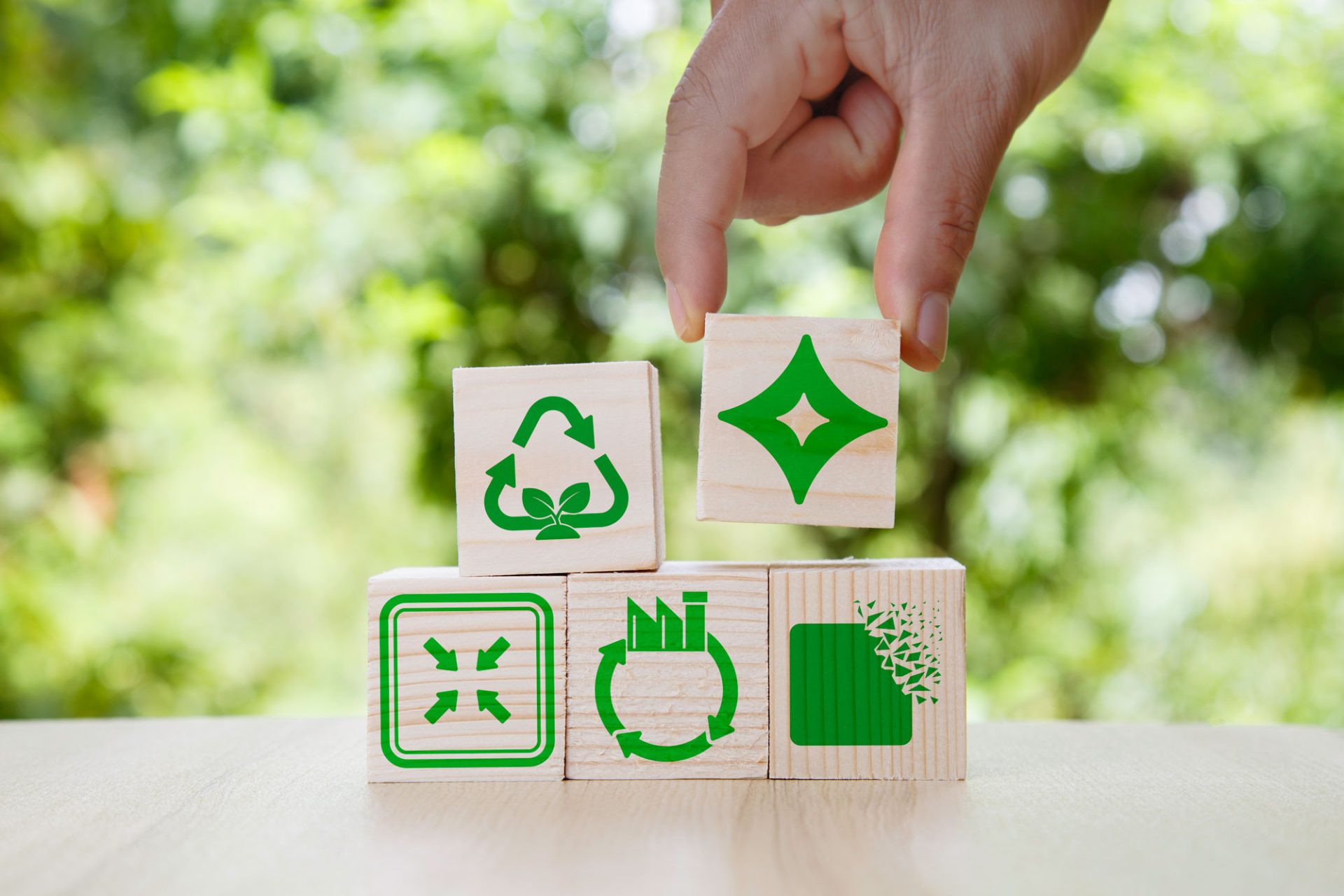
Integrating sustainable practices into your packaging strategy is a long-term commitment that requires the right partner. Asteria’s Sustainability Office has a dedicated team focused on unifying and strengthening our sustainability measures across all our European locations, supporting thousands of clients along the way.
If you’re ready for the next step toward greater sustainability, we invite you to reach out to us!


