Sticker Sheet
- Used for : Label Solutions
- Category : Functional, Standard
Product Details
- A sticker sheet is a collection of adhesive stickers arranged in a grid or sheet format, commonly used in the pharma industry.
- Each label is pre-cut, easily peeled off from the sheet.
- It offers a convenient way to store and organise multiple labels in one place, ensuring easy access and use when required.
- The adhesive type determines the level of removability, allowing some labels to be easily repositioned or removed without leaving residue.
- Sticker sheet labels provide a hassle-free and straightforward application, perfect for decorating various items or surfaces.

Embellishments for Sticker Sheet

A technique that applies a metallic or decorative foil layer to a substrate without the need for heat. Unlike traditional hot foil stamping, cold foil relies on adhesive and UV curing technology. A layer of UV-curable adhesive is printed onto the substrate. The foil is fed into the printing press and pressed against the adhesive-coated areas. A UV light is used to instantly cure and adhere the foil to the adhesive. The unadhered foil is then removed, leaving behind the foil layer only.

A certain area of the packaging material is strategically removed or “cut out” to create a hole or opening to highlight specific features of the product for various purposes, such as creating a window, providing access to certain information, or allowing consumers to interact with the product without fully opening the package.
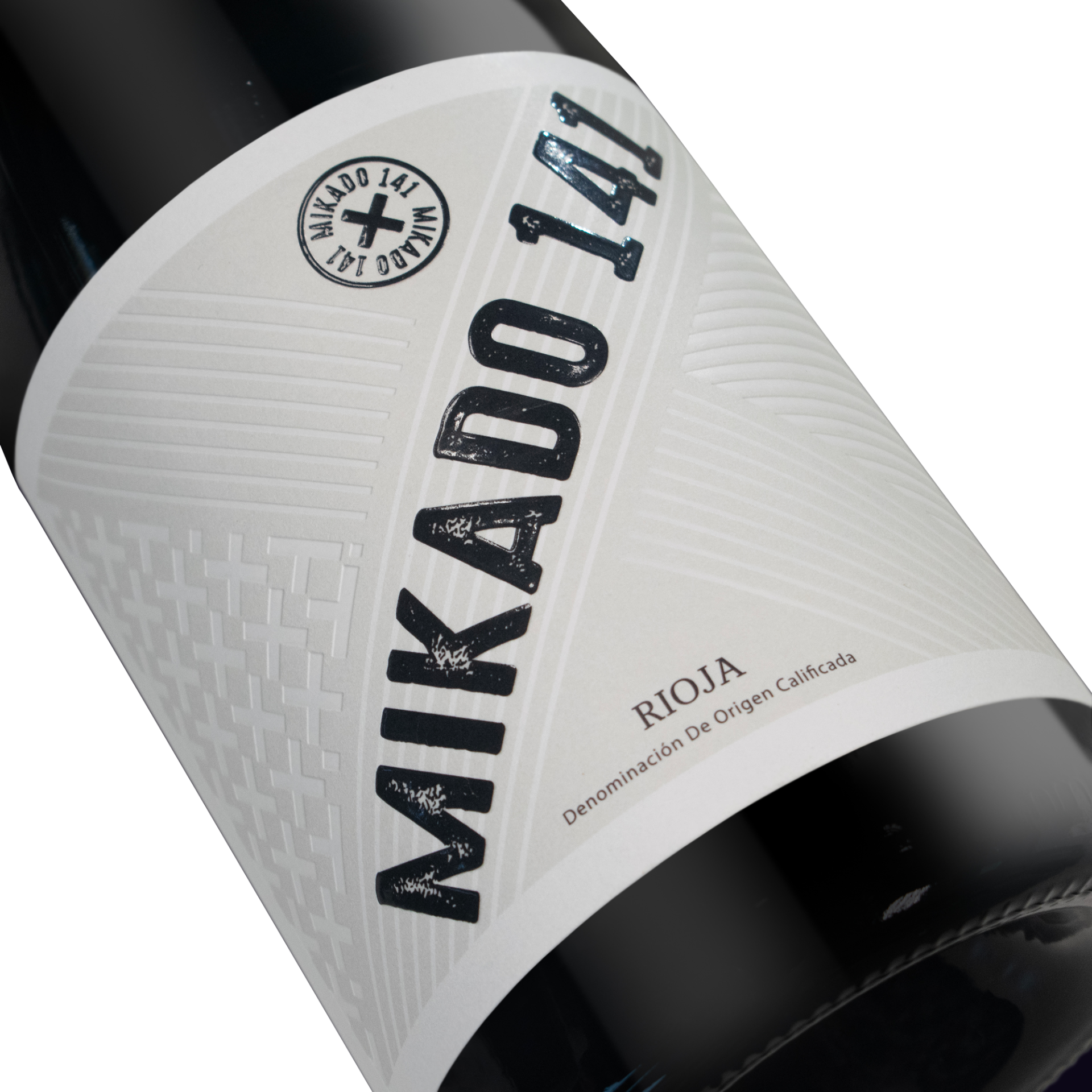
Debossing is a process that creates an indentation or depression on a surface, creating a sunken effect to add texture and a tactile element to packaging.

With double sided print both sides of the carton showcase distinct designs or information. This technique not only enhances packaging design flexibility and creativity but also optimises carton space utilisation to the fullest.

The pressure applied during the process raises the selected areas of the packaging, creating a tactile and visually appealing effect called embossing.

Glitter is the application of a shimmering or sparkling effect. The process involves adding fine particles of reflective material to the ink or coating used in printing or finishing processes. Glitter can be applied selectively to specific areas or incorporated into the overall design, enhancing the aesthetic appeal.
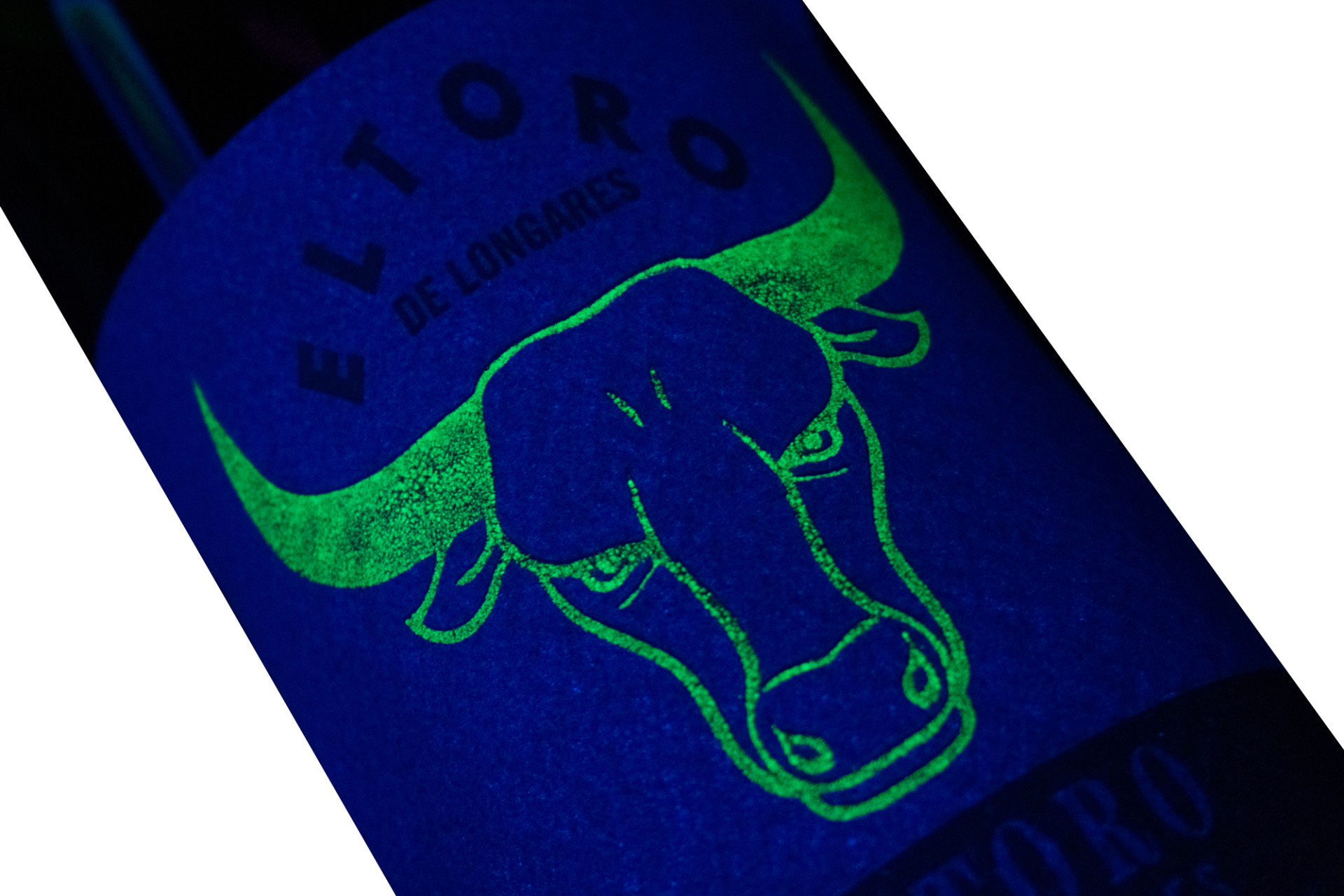
Glow in the dark ink is a special type of ink with the unique property of emitting light after being charged with external light sources. This ink contains phosphorescent materials that absorb and store light energy and then release it gradually in the form of a faint glow in low-light or dark conditions.
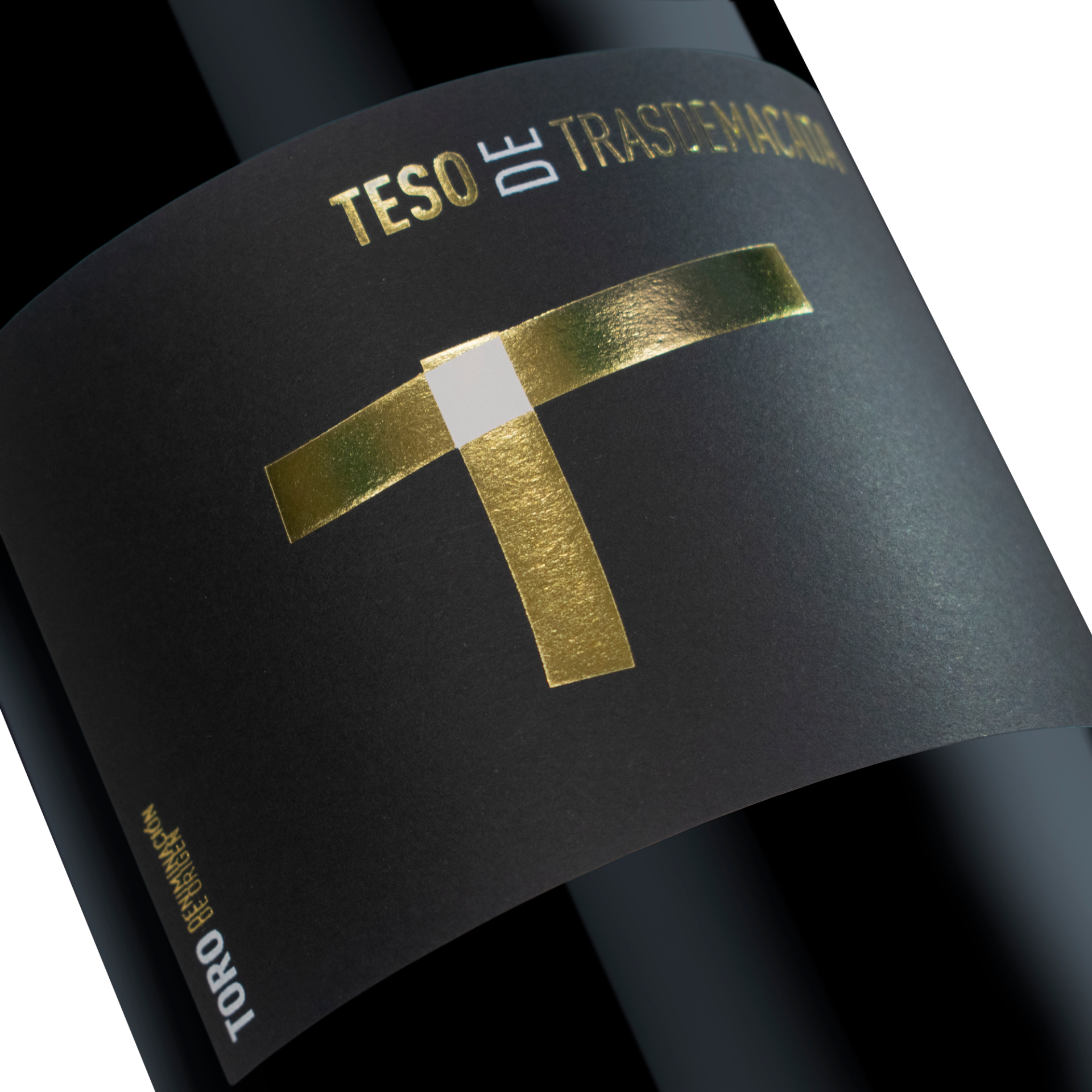
Hot foil or foil stamping is a decorative technique that involves the application of a metallic or coloured foil onto a surface using heat and pressure. The process creates a shiny, metallic or reflective finish that adds a premium and luxurious look to the packaging.

Matt varnish is a finishing technique that provides a non-glossy and smooth visual appeal. A layer of matte film is applied onto a material’s surface to add a touch of elegance to the material.

Metallic doming is a decorative technique that involves applying a liquid resin material over a metallic base to create a three-dimensional, raised dome effect. This process adds a glossy, clear layer over the metallic surface, enhancing its appearance and providing a unique visual and tactile texture.
Subscribe To Our Newsletter
Do you want to stay up to date with the latest news, trends, and innovations? Subscribe to our newsletter! And…don’t worry, we won’t spam you.
SUBSCRIBE TO OUR NEWSLETTER

CSO, Charlotte Van Uytsel
Asteria’s Chief Sustainability Officer (CSO) is a role that reflects our deep commitment to sustainability and driving real change. Charlotte leads our efforts to tackle environmental challenges through collaboration across the supply chain, delivering greener solutions for our customers. Under her guidance, we’re reducing energy use, minimising waste, optimising processes, and preparing for future sustainability legislation like CSRD. We’re transforming sustainability into action, creating a lasting impact for our industry and the planet.
“Sustainability is all about collaboration, and getting all supply chains involved in our journey, I truly believe if we work closely together with all our stakeholders we can create a bigger impact”

CCO, Tim Clockaerts
As Chief Commercial Officer (CCO), Tim is driven by a passion for delivering cutting-edge solutions and outstanding service in the labelling and packaging industry. At Asteria, we stand out through five key pillars: offering truly personalised service, maintaining the perfect price-quality balance, providing diverse technologies tailored to our customer’s needs, driving innovation with a focus on sustainability, and ensuring industry-specific certifications. Together, across all our entities, we’re shaping the future of packaging with purpose, excellence, and a commitment to making a real difference for our clients.
“Being an international organisation has changed our commercial approach. It brings more value for all of our customers”

CEO, Ives Declerck
Accent was the seed of what would later grow into Asteria Group— built on humble beginnings fueled by resilience, innovation, and strategic foresight Our acquisitions have empowered us to consistently set new standards in our industry. But our journey is about more than growth. By 2030, we are committed to becoming a sustainable frontrunner, reshaping the future of packaging to build a better, more sustainable world.
Today, Asteria Group leads the packaging industry, empowered by acquisitions that allow us to consistently set new standards. But our story is not just about growth. By 2030, we are committed to becoming a sustainable frontrunner, reshaping the future of packaging to build a better, more sustainable world.
“We don’t want to say no to customers. Our customer-centric approach, fast deadline time, top quality, flexibility, and technical solutions are the key drivers for a fast-growing Asteria Group.”
Download Certification
Fill out your details below and we'll send you right along to view the certification details.